
The National Service Scheme (NSS) is a flagship Central Sector initiative of the Government of India under the Ministry of Youth Affairs and Sports. It serves as a dynamic platform that engages student youth pursuing education in technical institutions, colleges, and universities across the country, encouraging their active participation in community service and nation-building activities.
The primary objective of the scheme is to develop the personality and character of student youth through voluntary community service. ‘Education through Service’ is the purpose of the NSS.
NSS offers young individuals the opportunity to actively participate in a wide range of government-led community service programmes, fostering a spirit of social responsibility and civic engagement. The core objective of the scheme is the holistic development of students’ personality and character through voluntary service to society.
NSS was launched in Mahatma Gandhi’s Birth Centenary Year 1969, in 37 Universities with 40,000 volunteers. NSS has witnessed remarkable growth over the decades. Today, it spans 657 universities and 51 +2 councils/directorates, encompassing 20,669 colleges and technical institutions, along with 11,988 senior secondary schools. Since its inception, the scheme has positively impacted over 7.4 crore students, making it one of the largest youth development programmes in the country.
Dr. (Mrs.) Sangeeta Madan
NSS Coordinator
National Service Scheme Cell, GK (DU), Haridwar
Email: sangeeta.madan@gkv.ac.in
Mob: 9997402720
NSS Motto: The motto of the National Service Scheme is NOT ME BUT YOU.
The motto of the National Service Scheme, “Not Me, But You,” reflects the spirit of selfless service and social responsibility. It emphasizes placing the needs, welfare, and well-being of others above one’s own interests.
The NSS Badge Proud to Serve the Nation:
All the youth volunteers who opt to serve the nation through the NSS-led community service wear the NSS badge with pride and a sense of responsibility towards helping the needy.
- The Konark wheel in the NSS badge, having 8 bars, signifies the 24 hours of the day, reminding the wearer to be ready for the service of the nation round the clock, i.e. for 24 hours.
- Red colour in the badge signifies energy and spirit displayed by the NSS volunteers.
- The Blue colour signifies the cosmos of which the NSS is a tiny part, ready to contribute its share for the welfare of mankind.
NSS Cell Gurukula Kangri (DU), Haridwar
The National Service Scheme (NSS) at Gurukula Kangri (Deemed to be University), Haridwar, is effectively organised into three distinct units, ensuring active participation of students across different campuses:
1. NSS Unit 01 – Main Campus
This unit consists of 100 male volunteers and functions from the Main Campus, actively participating in a wide range of community service and developmental activities. It has adopted Bhaktanpur Village in Haridwar as its focus area for implementing outreach programmes and promoting community development initiatives.
2. NSS Unit 02 – Kanya Gurukula
This unit comprises 100 female volunteers from Kanya Gurukula, who actively participate in a diverse range of social outreach and community service endeavours. The NSS KGM Unit has adopted Jamalpur Kalan Village, Haridwar, as its designated field area for the systematic implementation of outreach programmes and the promotion of sustainable community development initiatives.
3. NSS Unit 03 – Faculty of Engineering & Technology (FET) Campus
This unit comprises 100 male volunteers and functions at the Faculty of Engineering & Technology (FET) Campus, promoting active involvement of students in community service and nation-building initiatives. The unit has adopted Bajriwala Basti (Urban Slum), Bairagi Camp, Kankhal, Haridwar, for conducting its outreach and community development activities.
Benefits of Being an NSS Volunteer
Students at the college or higher secondary level actively participate as NSS volunteers in social service programmes. Through NSS, volunteers gain experience as:
- An efficient social leader
- A capable administrator
- A person who understands human nature
Numerous government and private sector organizations prioritize NSS volunteers in their career development
Objectives
- To create awareness about India’s rich cultural diversity.
- To understand the historical background of diverse cultures.
- To develop national pride through knowledge about India.
- To promote national integration through community service.
- To enable interaction among volunteers from different parts of India.
- To experience traditions, customs, culture, and languages of all states.
- To provide opportunities for overall personality development.
- To promote patriotism, national unity, brotherhood, and communal harmony
- To make volunteers aware of various festivals celebrated in India.
- To provide opportunities to interact with resource persons, speakers, and youth icons.
- To spark interest in taking part in different national drives i.e, in natural calamities.
NSS officer/ Coordinator

Dr. Sangeeta Madan
Department of Environmental Science,
Kanya Gurukula Campus, GKDU, Haridwar
Program officer
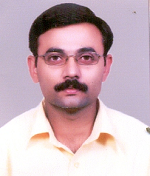
Dr. Vineet Vishnoi
(NSS Unit 1)
Department of Botany & Microbiology,
Main Campus, GKDU, Haridwar

Dr. Mayank Pokhriyal
(NSS Unit 3)
Department of Mechanical Engineering
FET, GKDU, Haridwar
NSS Student representative
- Stuti Mishra
- Moli Parashar
- Harsh Sharma
- Ashish Kumar
Him Village E-Prahari is a grassroots movement rooted in the Himalayas. We work with local communities to promote sustainable living, environmental conservation, and rural empowerment, nurturing villages that thrive in harmony with nature

Azim Premji Foundation is a not-for-profit organization established in 2001 by Azim Premji with a vision to contribute to a just, equitable, humane, and sustainable society. The foundation primarily focuses on improving the quality and equity of education in India, especially within the public-school system. Its work is guided by two core dimensions: addressing people’s basic needs and upholding values such as justice, dignity, and equality. Through long-term engagement with state governments, the foundation works to strengthen public education by supporting teachers, school leaders, and education functionaries. It runs field institutes across multiple states, where teams work closely with schools to improve classroom practices and learning outcomes.

NSS Seven-Day Special Camp
The Seven-Day Special Camp is one of the most important and impactful activities of the National Service Scheme (NSS). It is organised at the unit level, with active participation from 50 NSS volunteers per year, usually in rural areas or adopted communities. The Seven-Day Special Camp provides a unique platform for NSS volunteers to experience real-life community engagement and contribute meaningfully to nation-building.
Key Activities during the Camp
· Community Service: Cleanliness drives, plantation, waste management, and sanitation work
· Awareness Programmes: Health, hygiene, literacy, digital awareness, and social issues
· Rural Development Activities: Road repair, water conservation, and village improvement work
· Health Camps: Medical check-ups, blood donation awareness, and yoga sessions
· Cultural Activities: Folk programmes, street plays, and awareness rallies
· Interactive Sessions: Discussions with local community members and experts
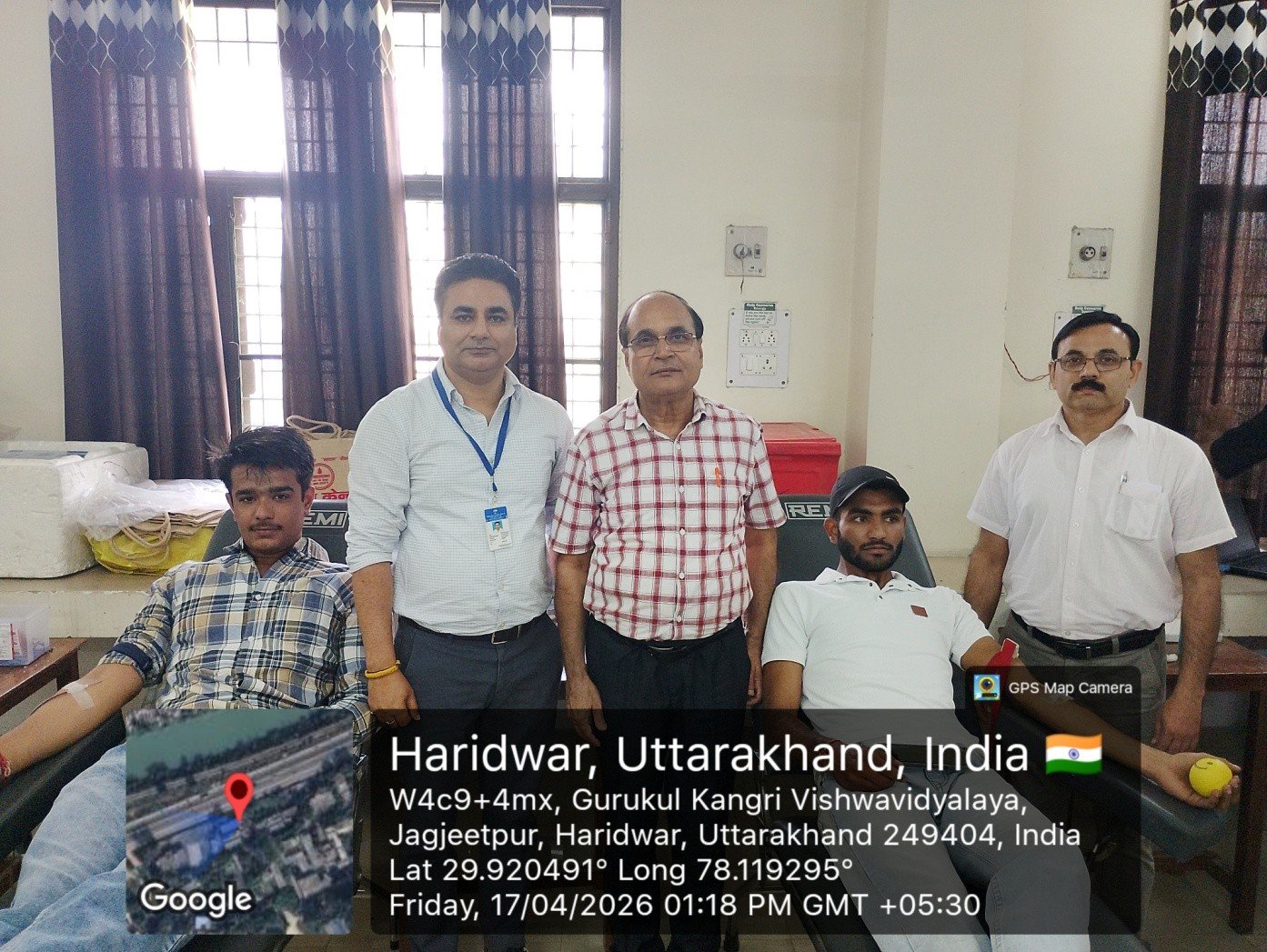
Blood Donation Camp
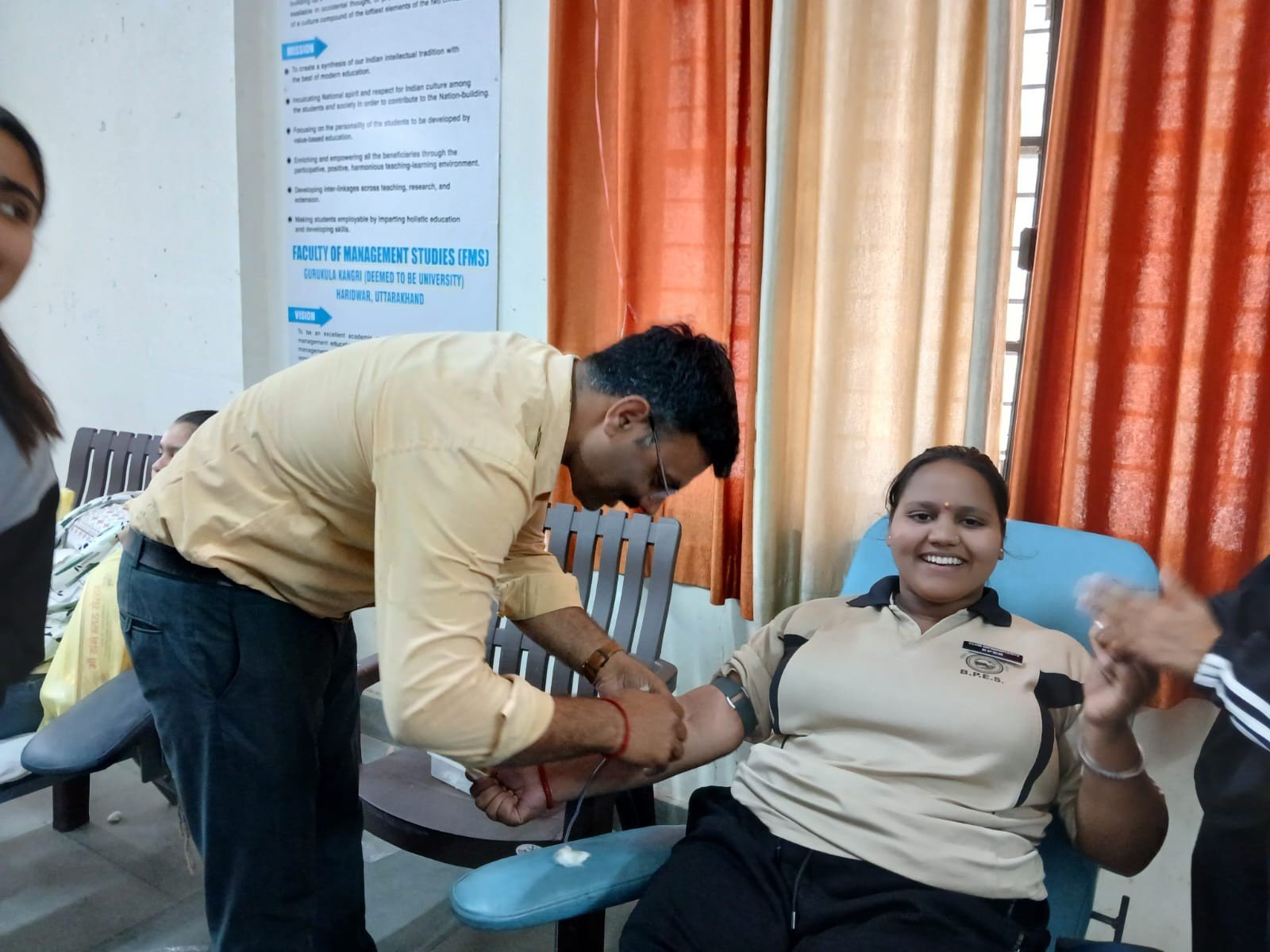
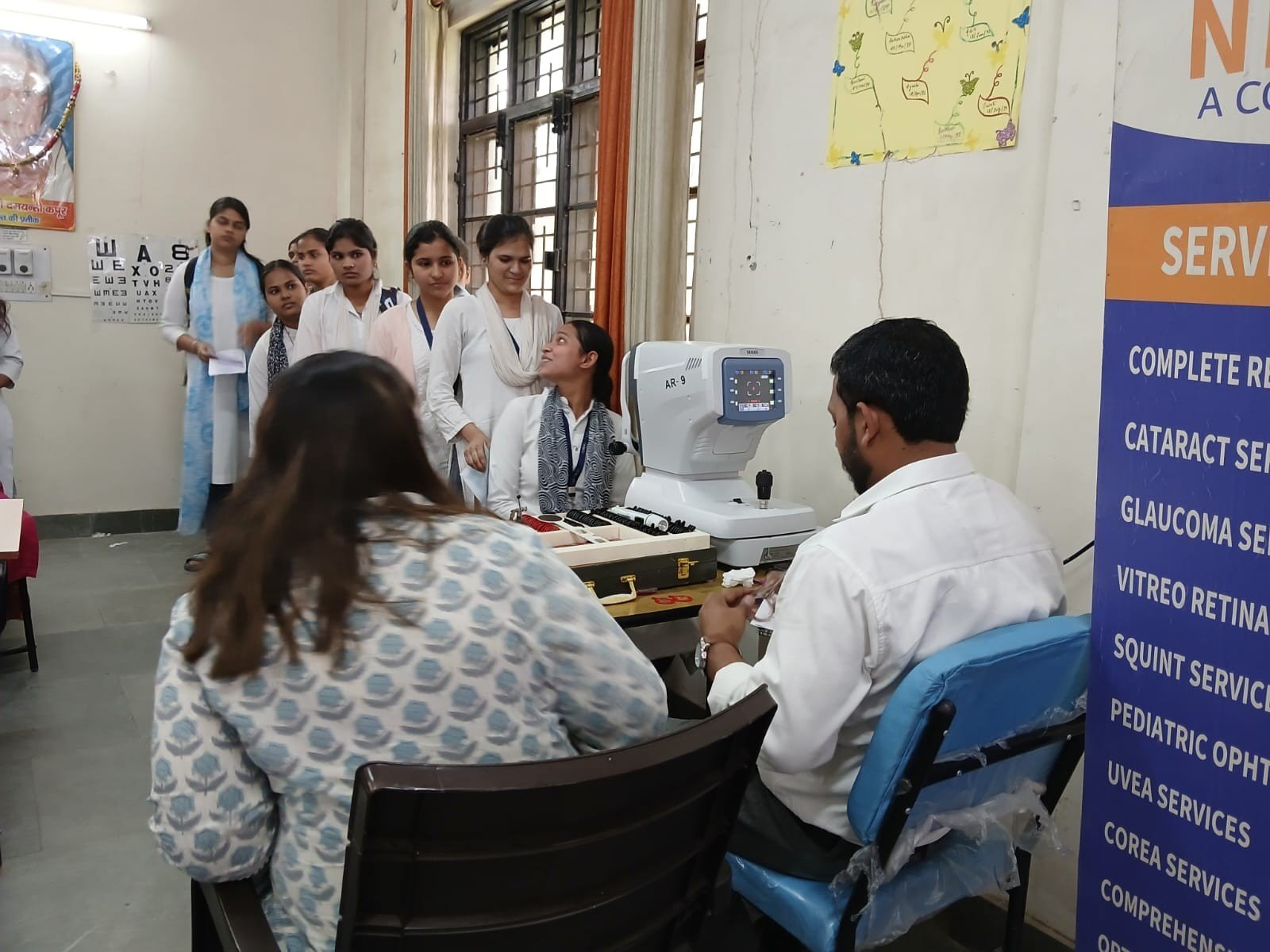
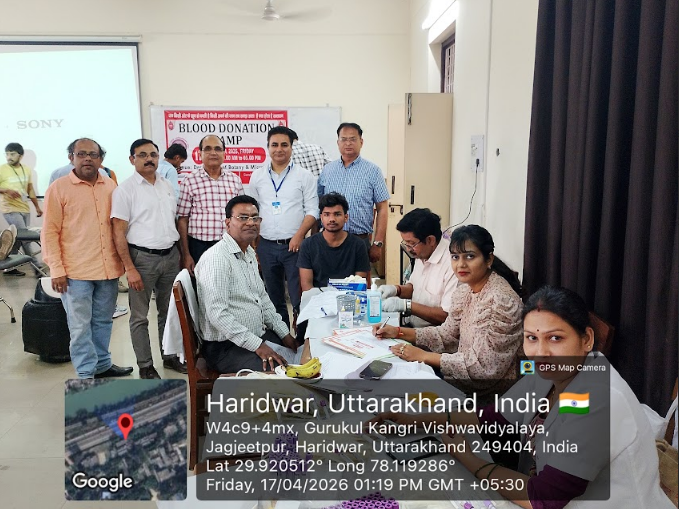
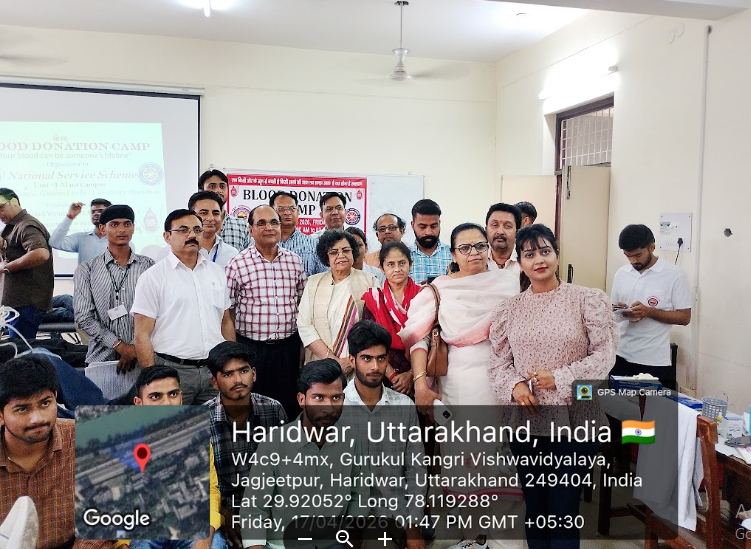
The NSS Unit organized a Blood Donation Camp on 19 February 2025 with the objective of fostering a spirit of social responsibility and contributing to community healthcare. The camp was conducted in collaboration with authorized medical professionals, ensuring adherence to all safety and hygiene protocols.
The initiative received active participation from students, faculty, and staff. NSS volunteers efficiently managed the registration process, assisted donors, and facilitated smooth coordination throughout the event. The camp witnessed a commendable turnout, reflecting the commitment of the campus community towards humanitarian causes.
This activity not only supported life-saving efforts but also reinforced the values of empathy, service, and civic responsibility among students.
Plantation drives
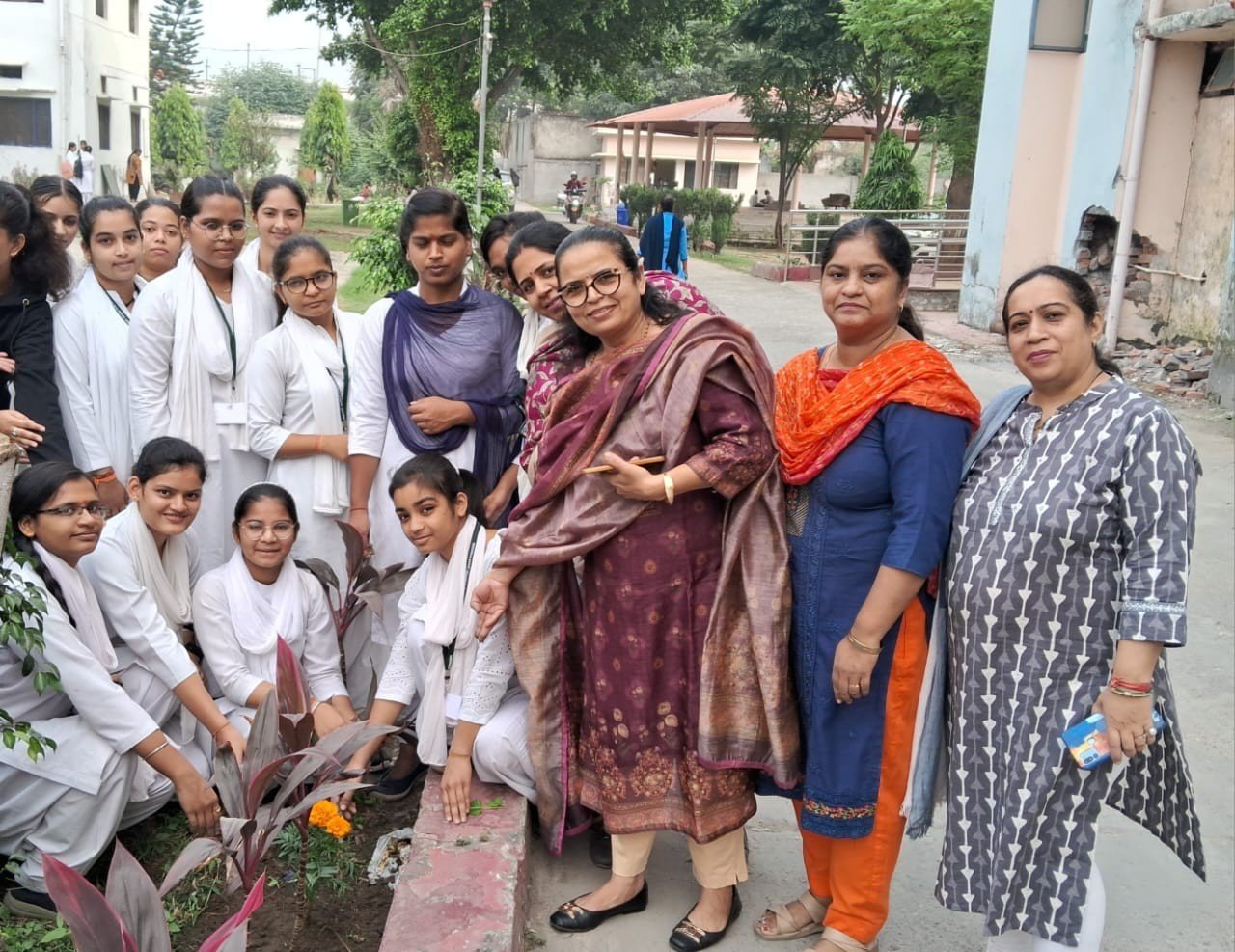
In alignment with its commitment to environmental sustainability, the NSS Unit conducted a Plantation Drive on 5 July 2025. The initiative aimed to promote ecological awareness and encourage proactive participation in environmental conservation.
NSS volunteers planted more than 25 saplings across designated areas within the campus, contributing to the development of a greener and healthier environment. The activity also included awareness sessions highlighting the significance of afforestation, biodiversity preservation, and sustainable practices.
The drive served as a meaningful step towards cultivating environmental responsibility and reinforcing the importance of sustainable living among students.
Nukkad Natika
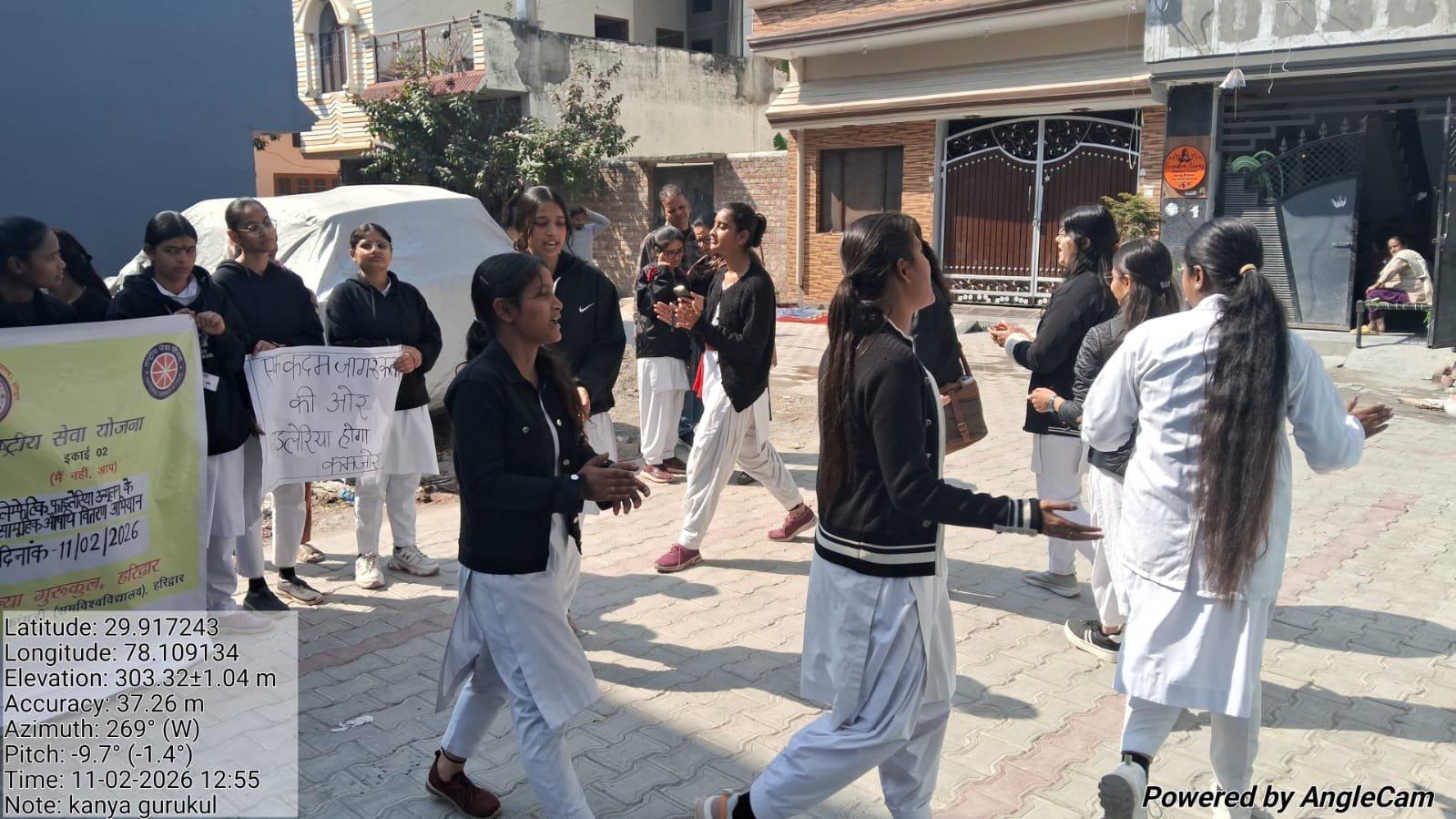
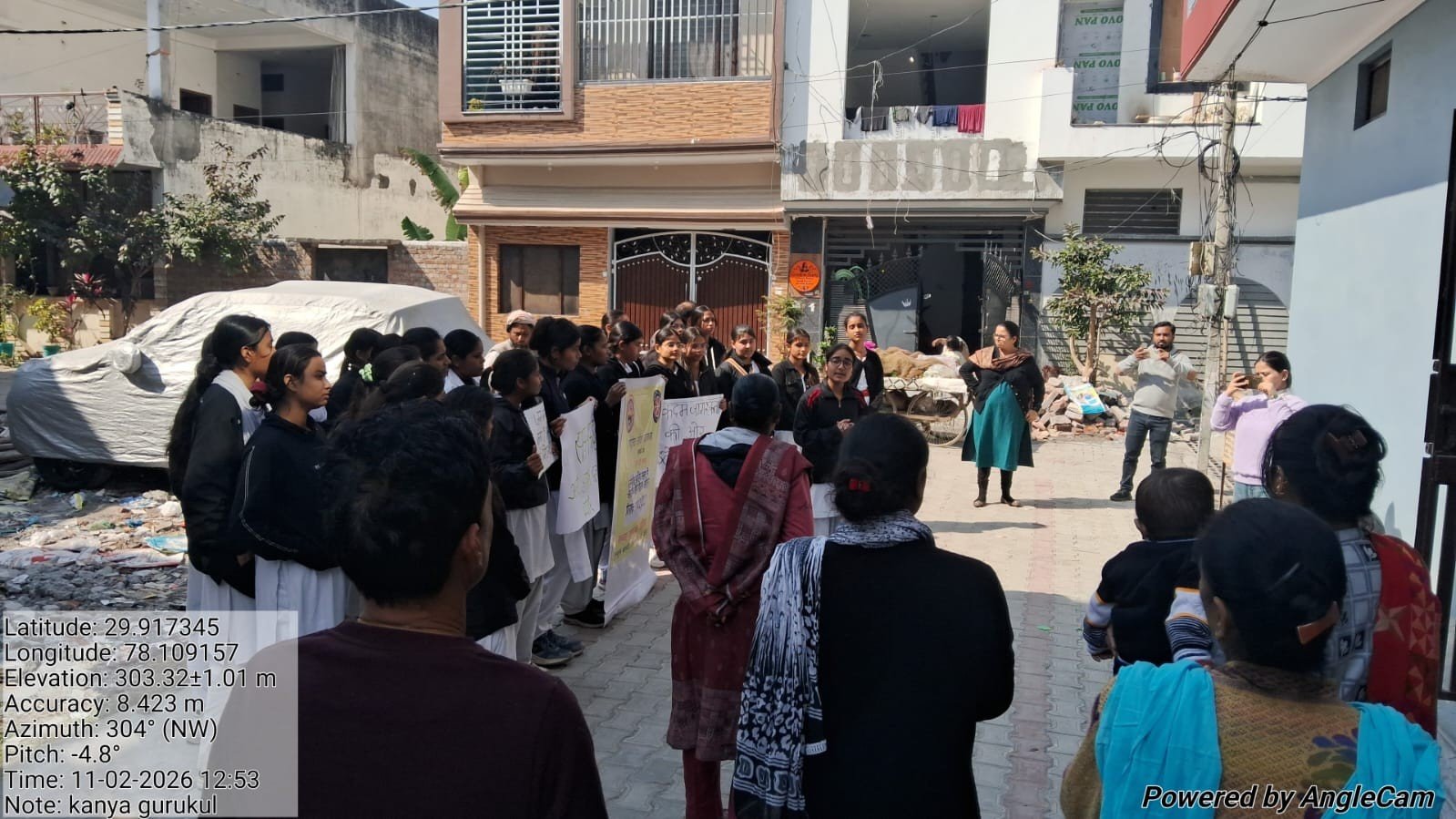
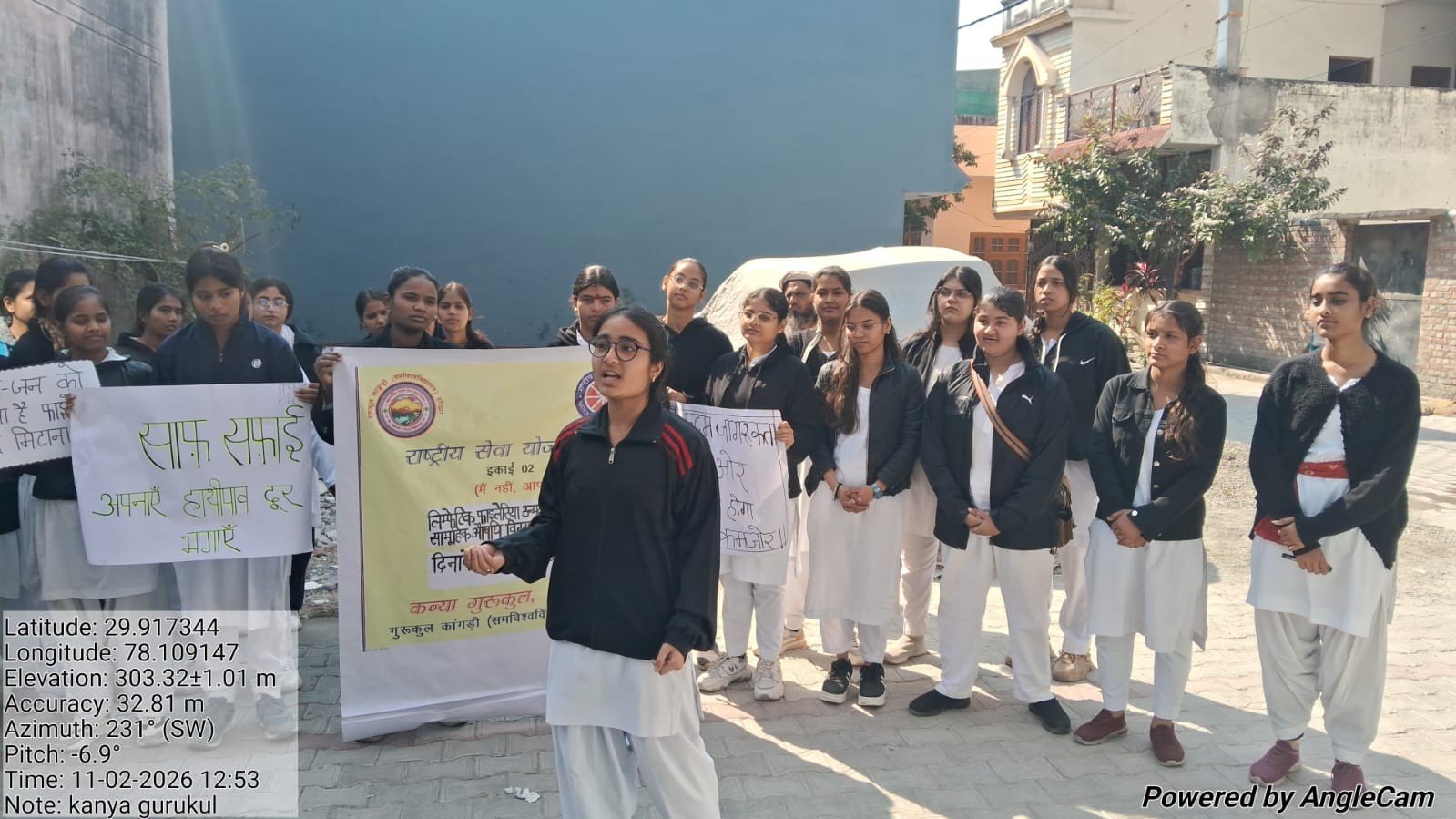
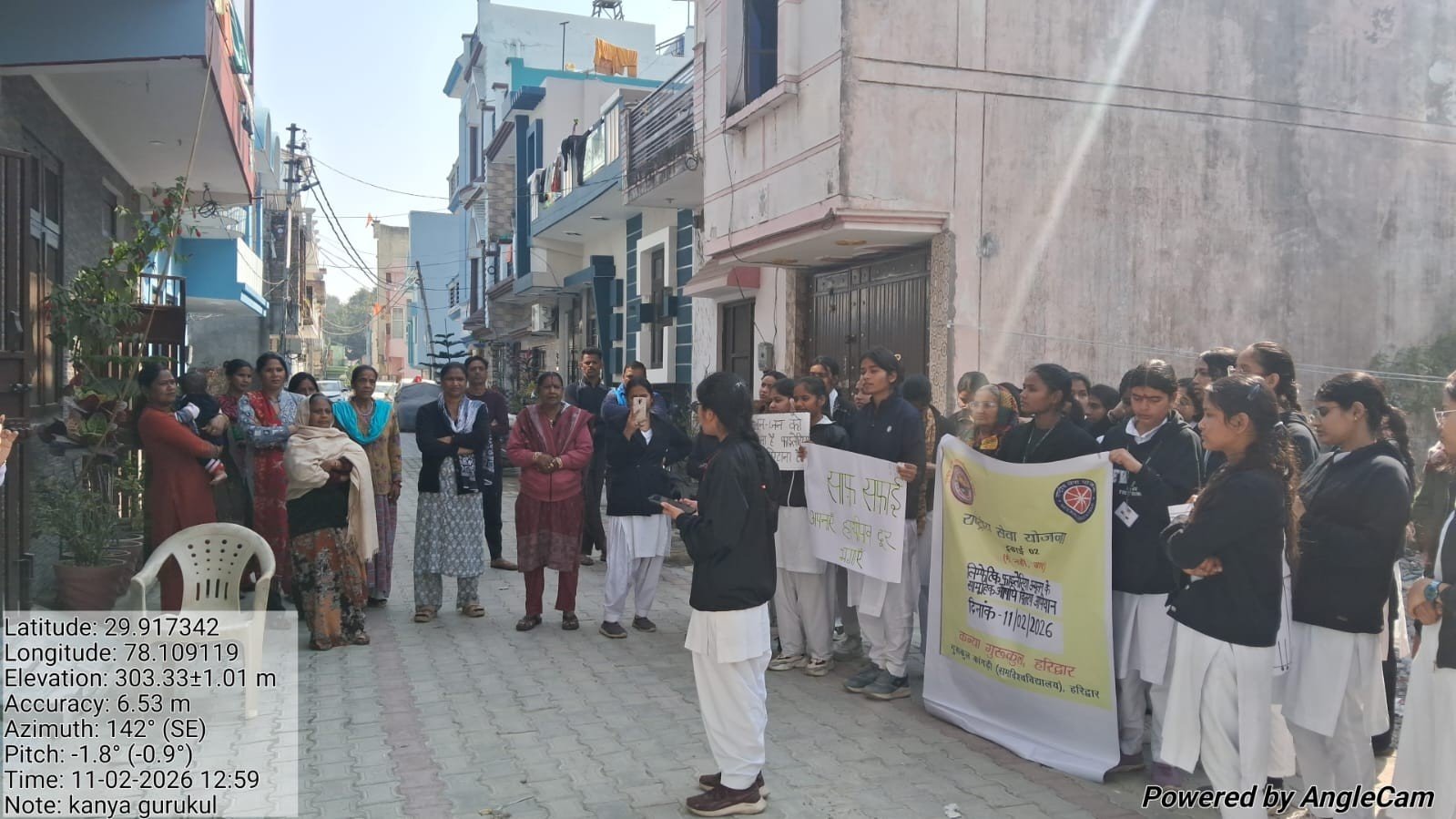
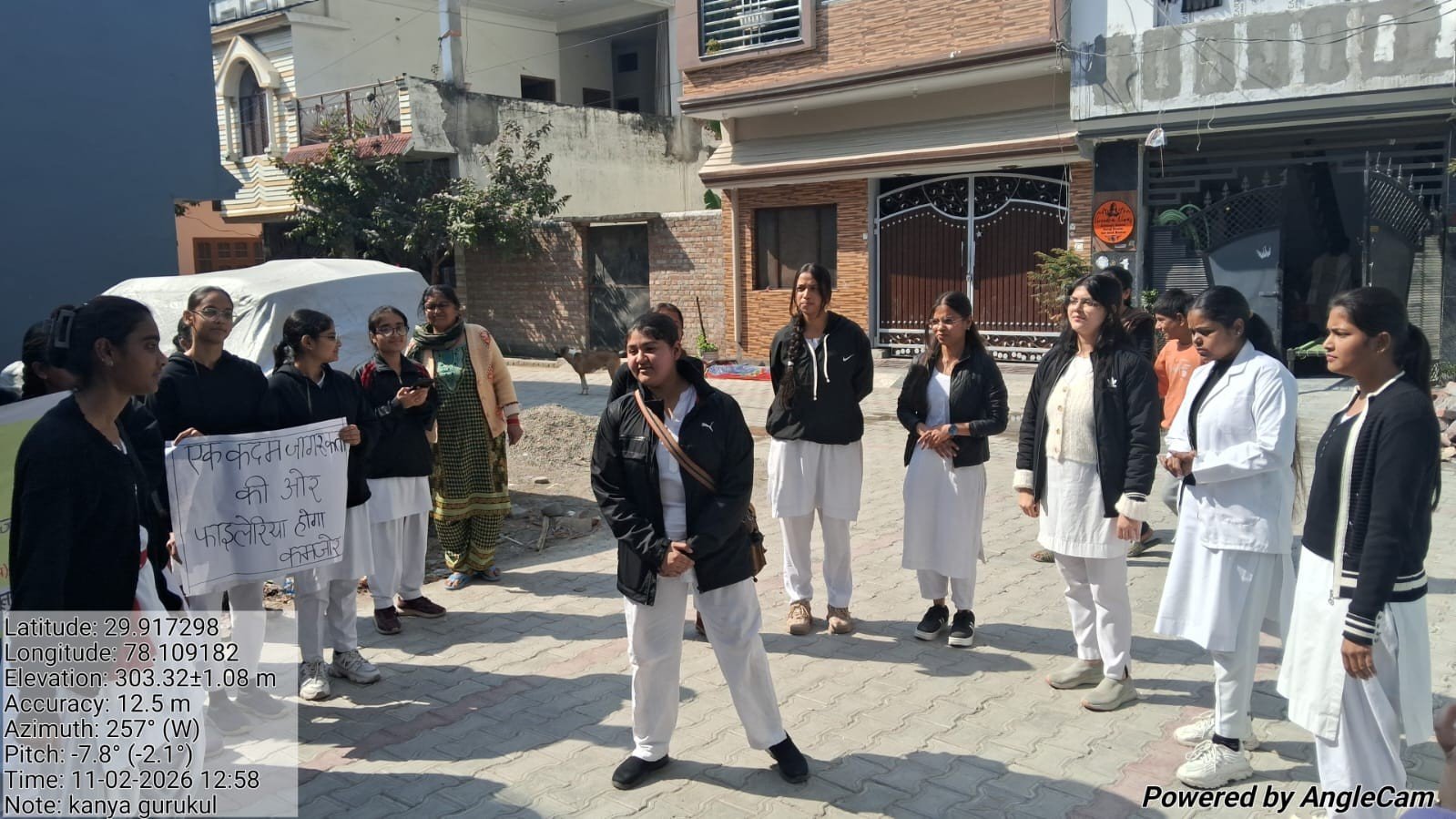
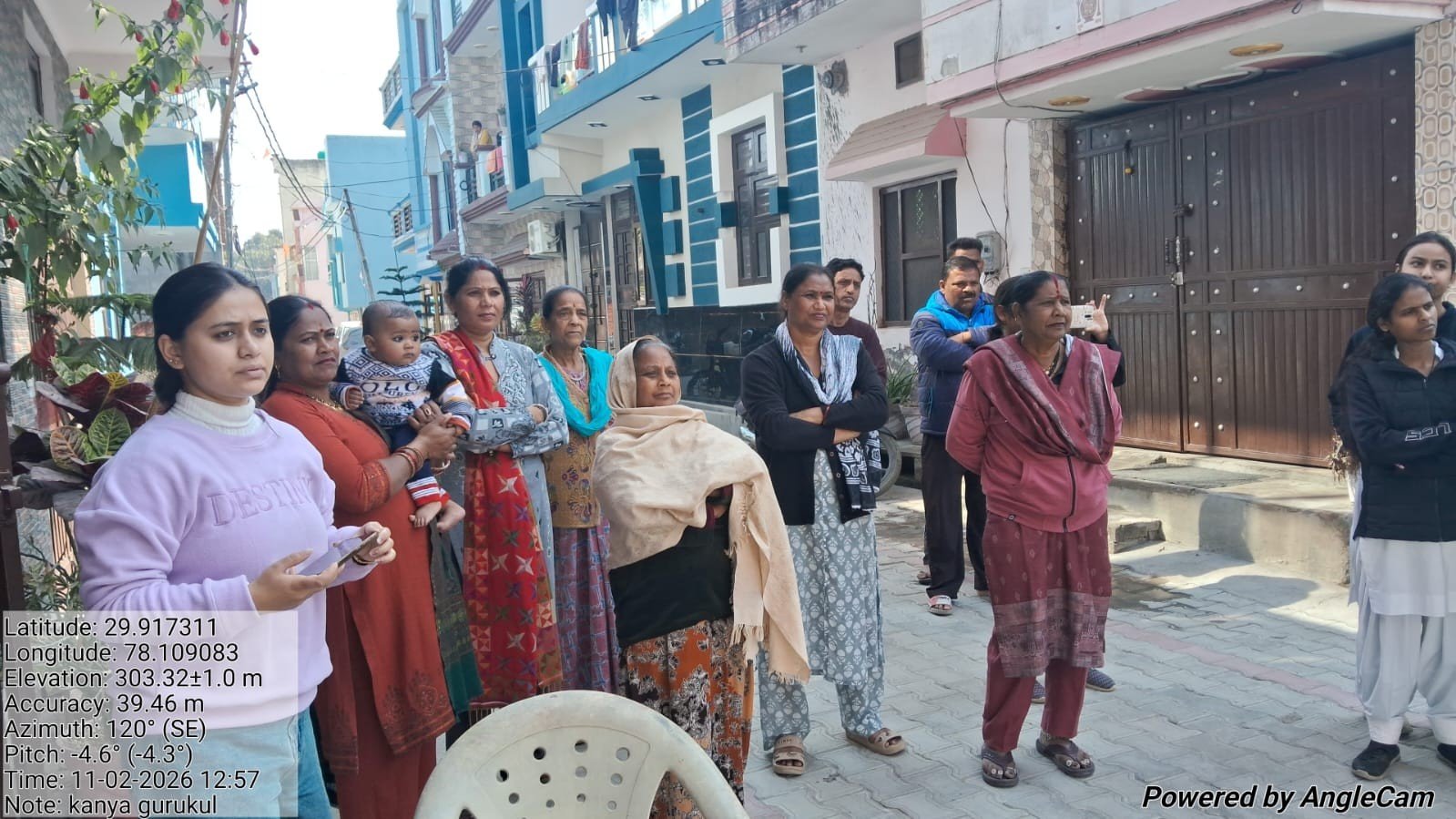
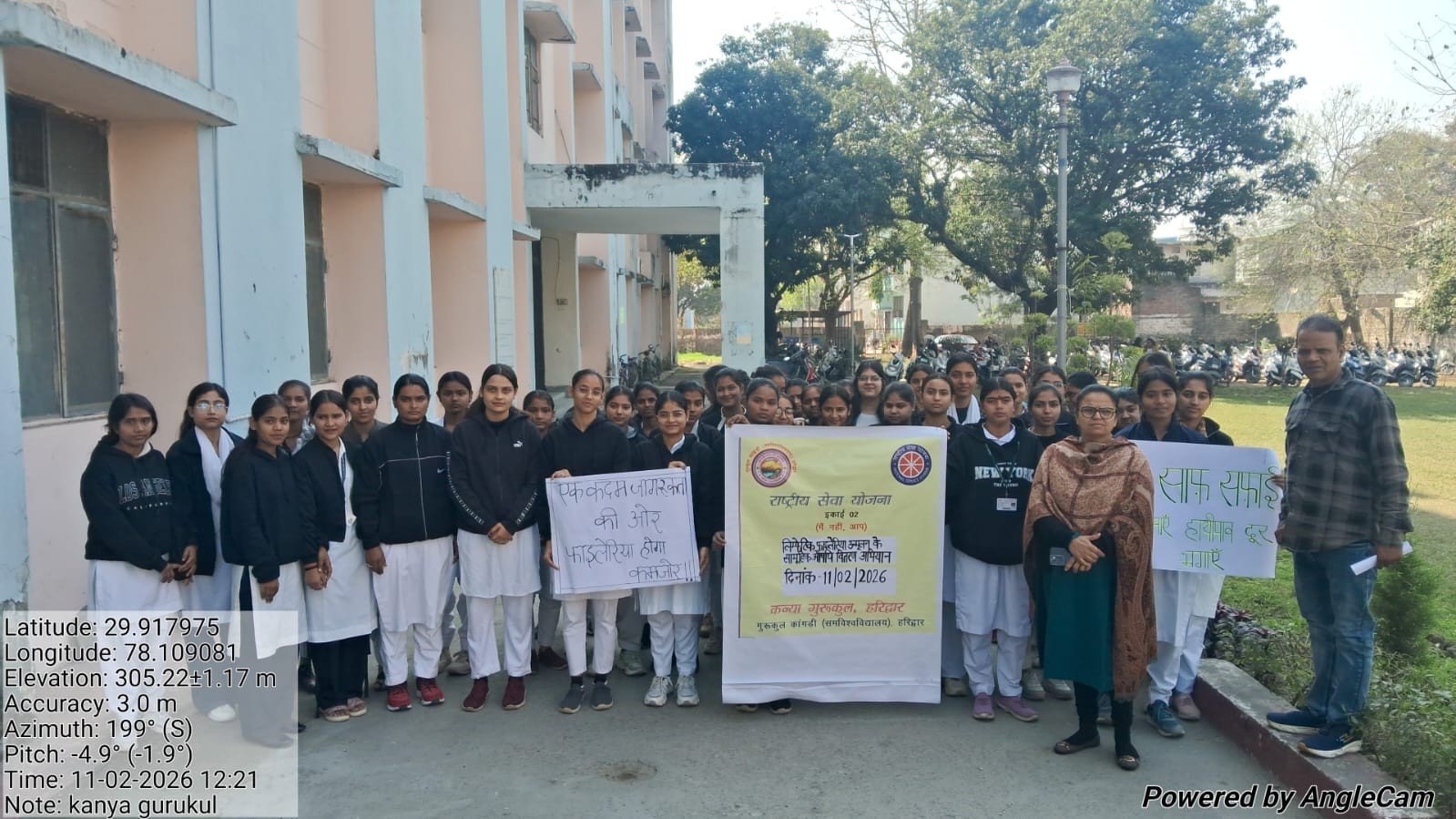
On 11 February 2026, the NSS Unit organized a Nukkad Natika (street play) as an awareness initiative focusing on filariasis and its prevention. The performance, presented by NSS volunteers, effectively utilized creative expression to communicate impactful public health messages to the audience.
The street play highlighted the causes, symptoms, prevention, and control measures related to filariasis, emphasizing the importance of hygiene, timely medical intervention, and community participation. Its engaging and interactive format encouraged reflection and dialogue among viewers, thereby enhancing awareness and outreach.
The activity provided a valuable platform for students to develop communication skills, creativity, and teamwork while contributing to public health awareness and social sensitization.
Swachta Pakwara
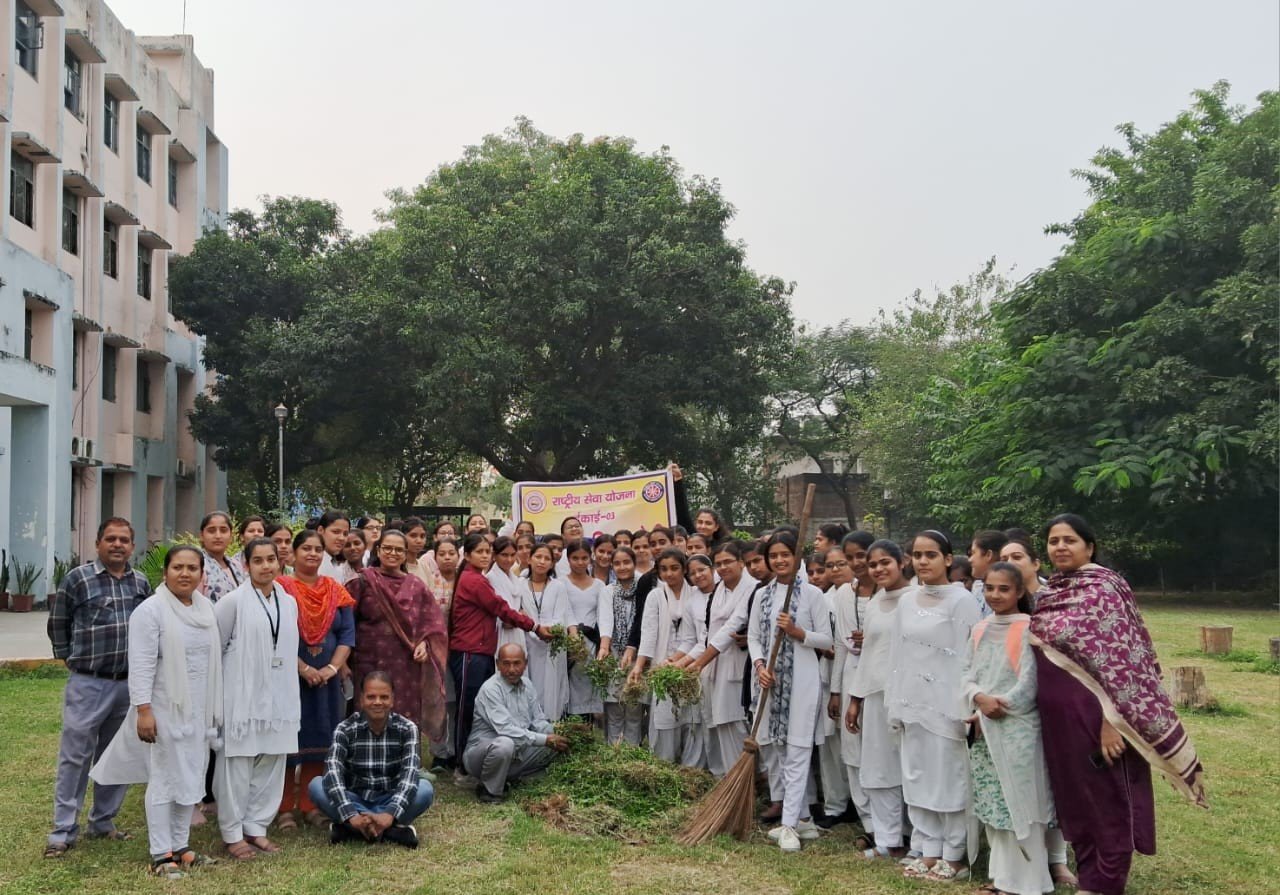
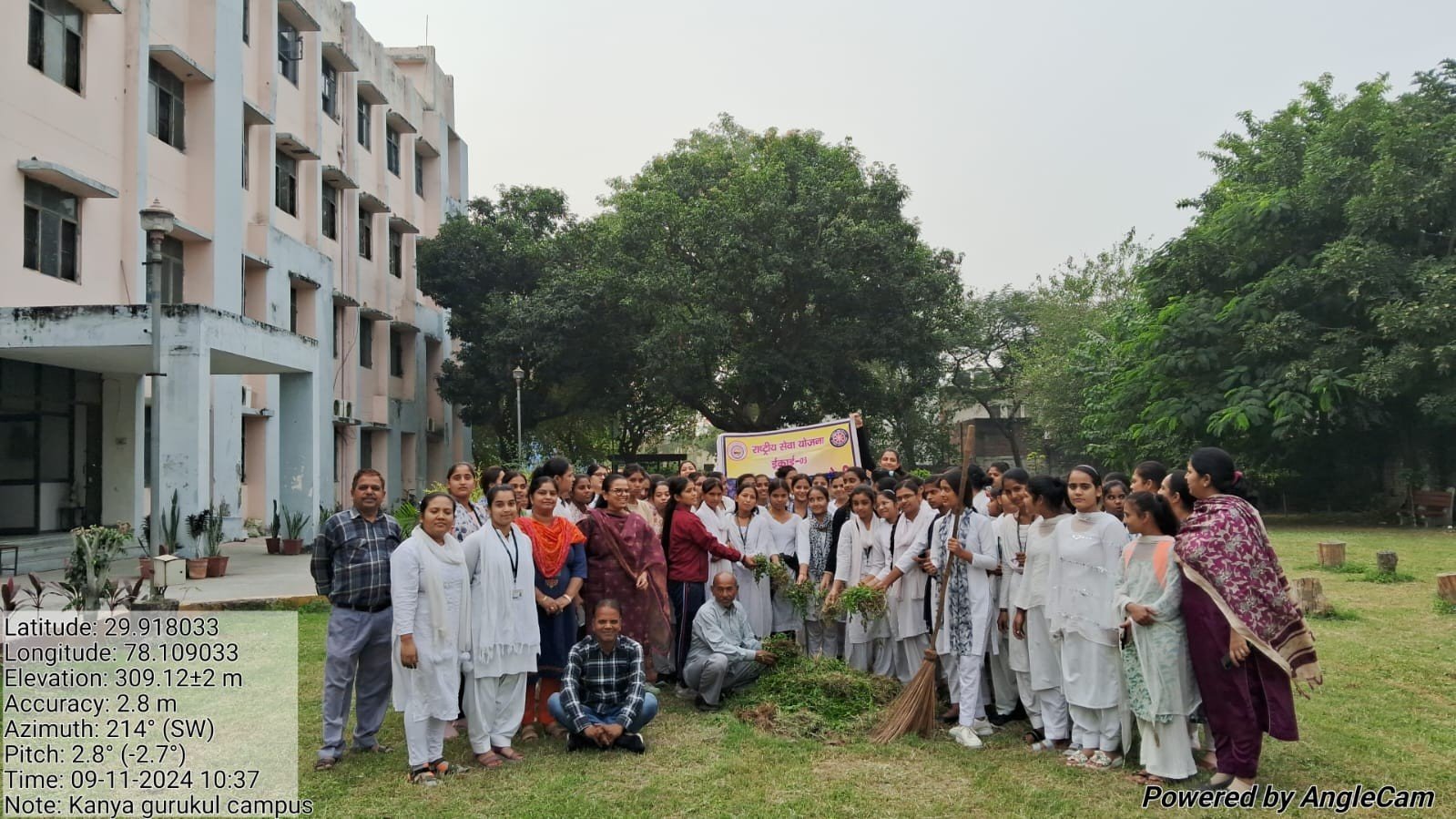
The NSS Unit observed Swachhta Pakhwada from 1 November to 15 November 2025 to promote cleanliness, hygiene, and environmental responsibility. A series of structured activities was conducted throughout the fortnight. These included campus cleanliness drives, awareness campaigns, and educational sessions focusing on sanitation, waste management, and the reduction of plastic usage. NSS volunteers actively participated in maintaining cleanliness within the campus and the surrounding areas. The initiative successfully reinforced the principles of cleanliness and civic duty, encouraging students to adopt responsible and sustainable practices in their daily lives.
Sports Day
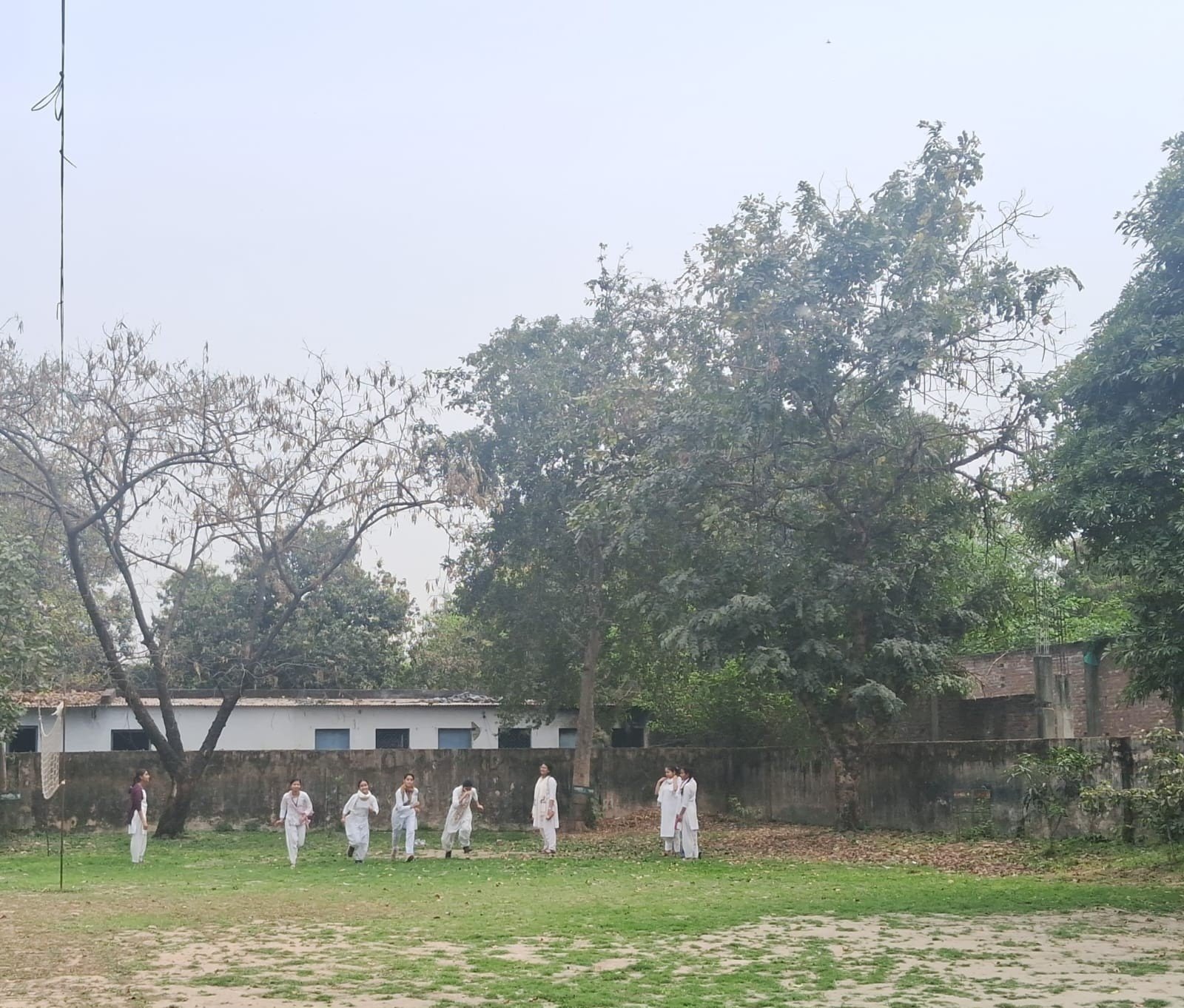
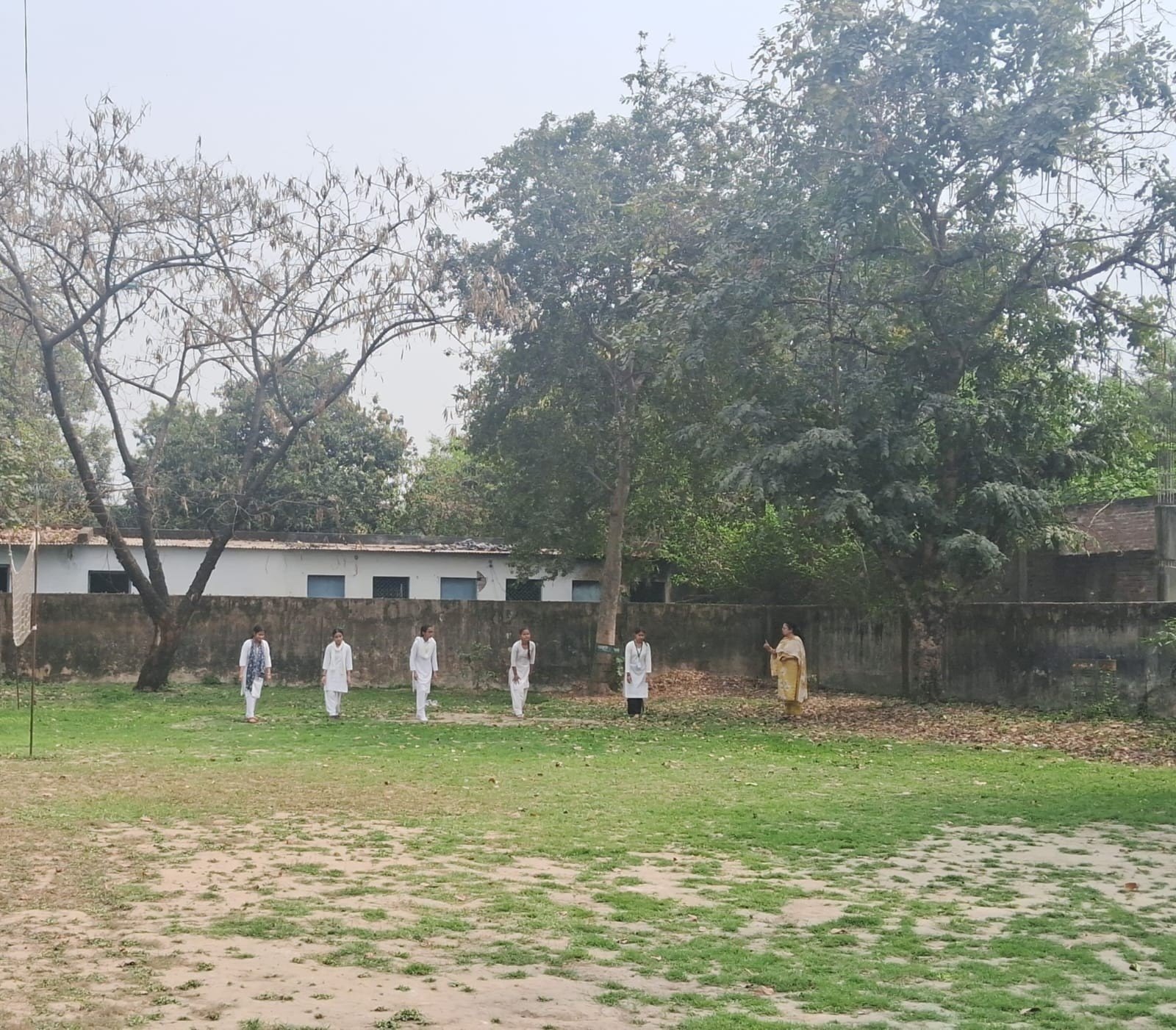
The NSS Unit organized a Sports Day on 9 March 2026 with the objective of promoting physical fitness, discipline, and teamwork among students. The event was conducted with great enthusiasm and witnessed active participation from the student community.
A variety of athletic and recreational events were organized, providing students with opportunities to demonstrate their skills and sportsmanship. The activities encouraged healthy competition and emphasized the importance of maintaining physical well-being alongside academic pursuits.
The event concluded with a formal prize distribution ceremony, recognizing the achievements and efforts of the participants.
-
- Republic Day (26 January)
- International Women’s Day (8 March)
- World Environment Day (5 June)
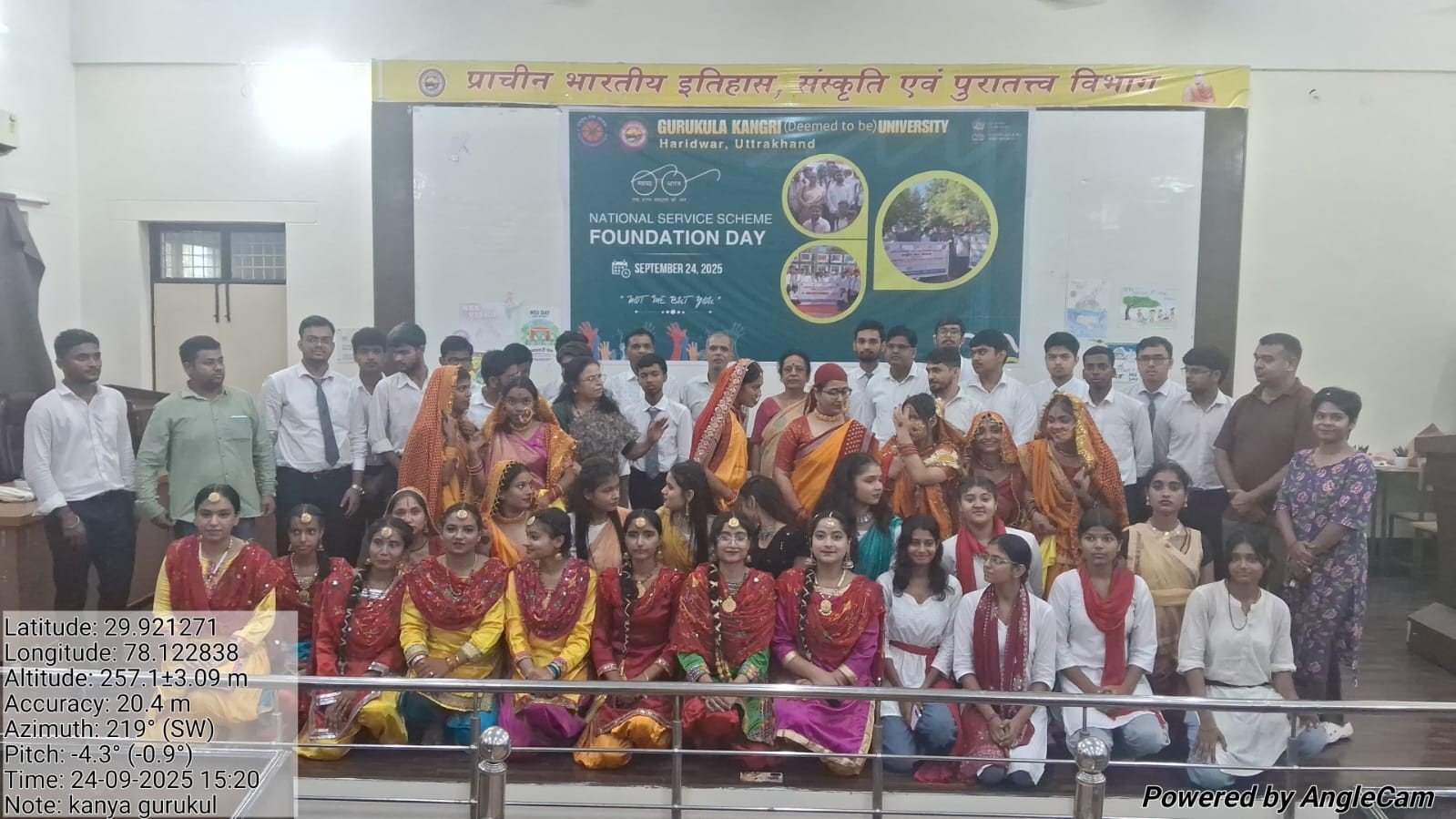
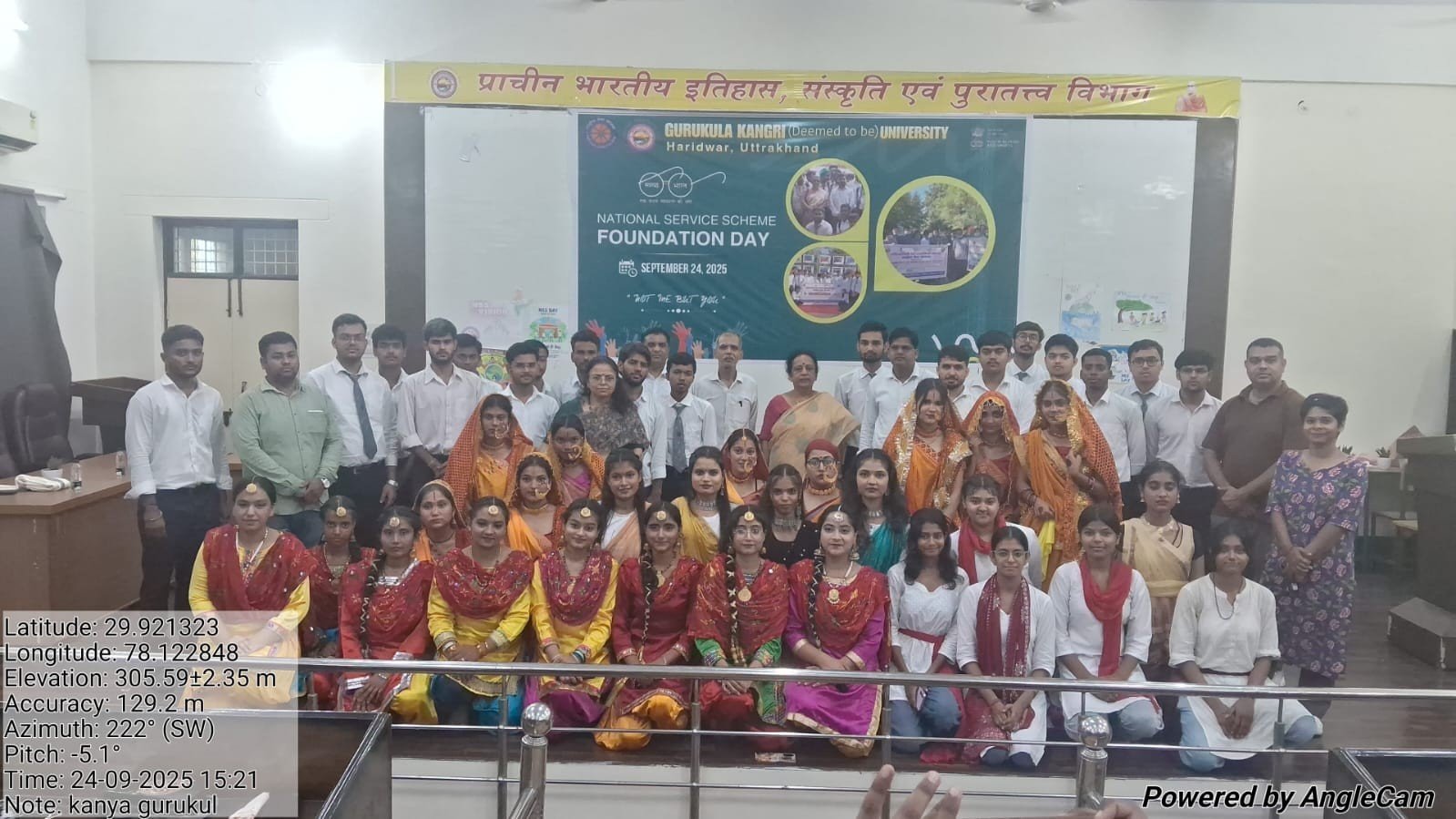
- NSS Foundation Day (24 September)
- Uttarakhand Foundation Day (09 November)
- World AIDS Day (1 December)
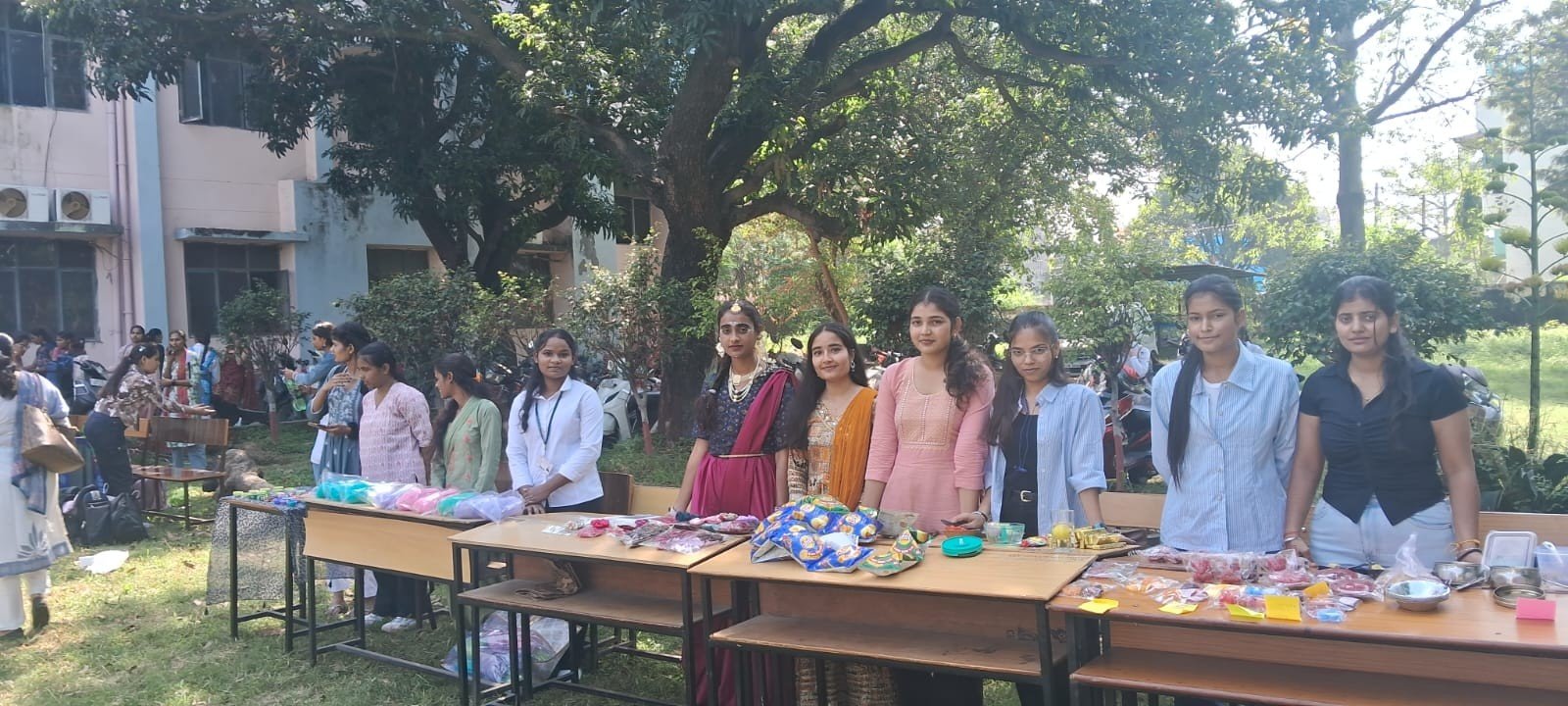
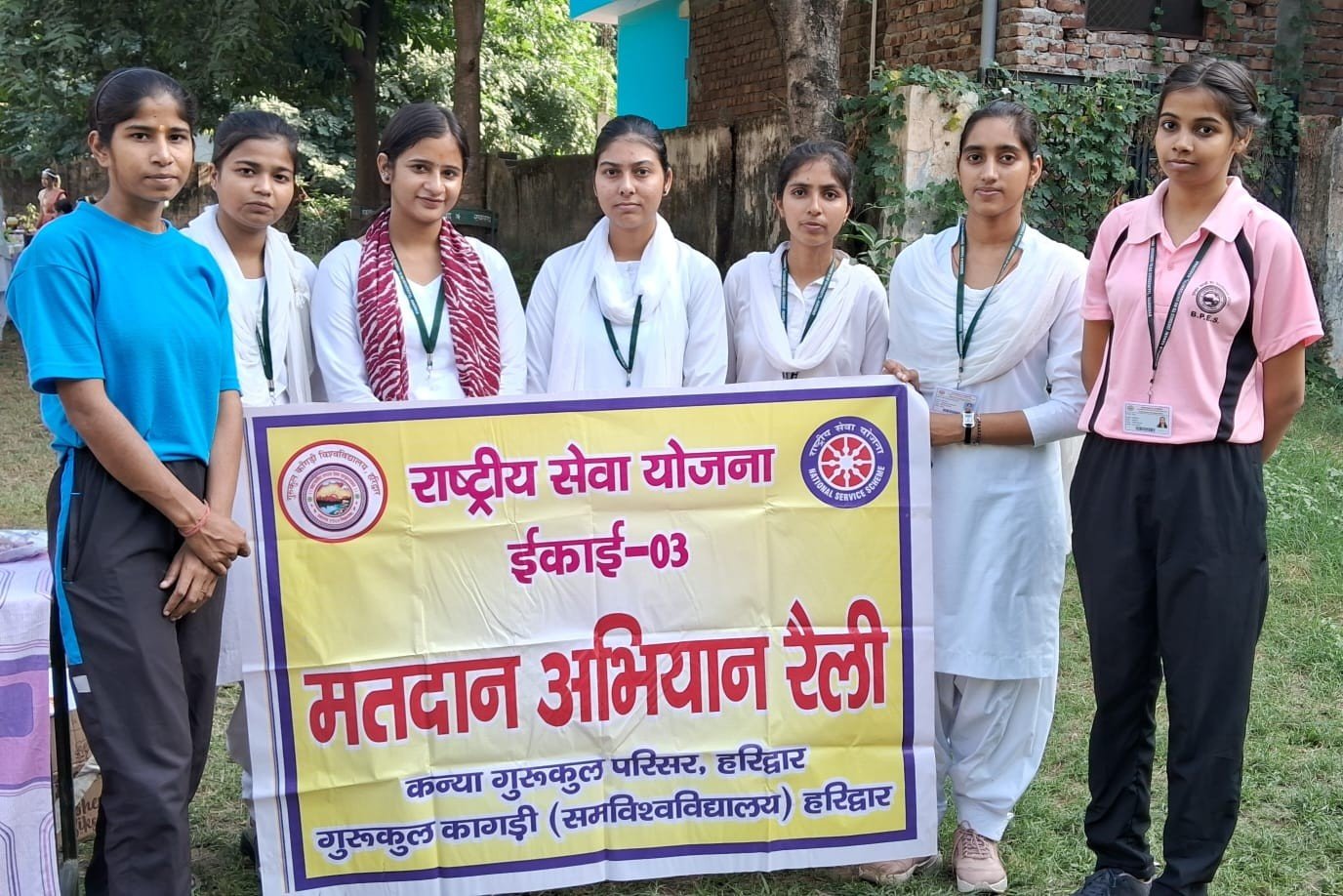
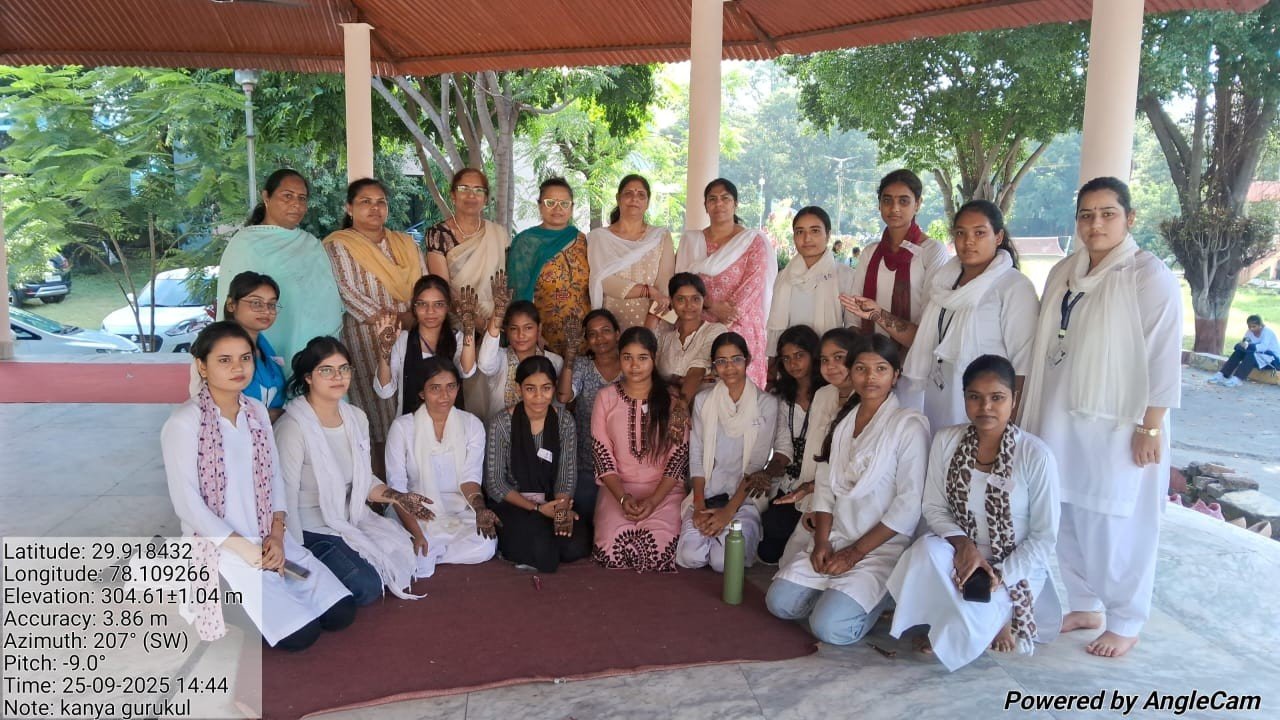
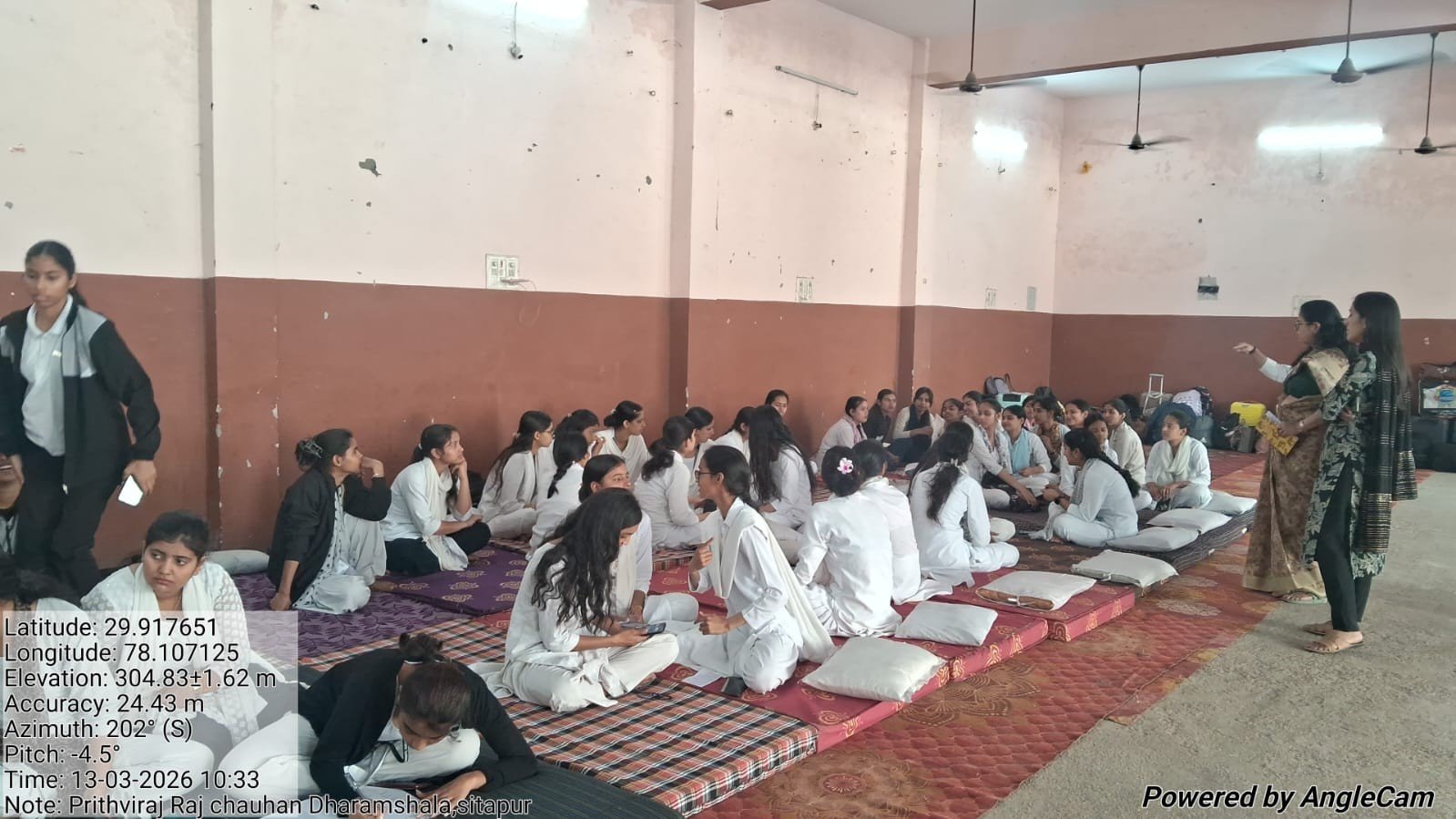
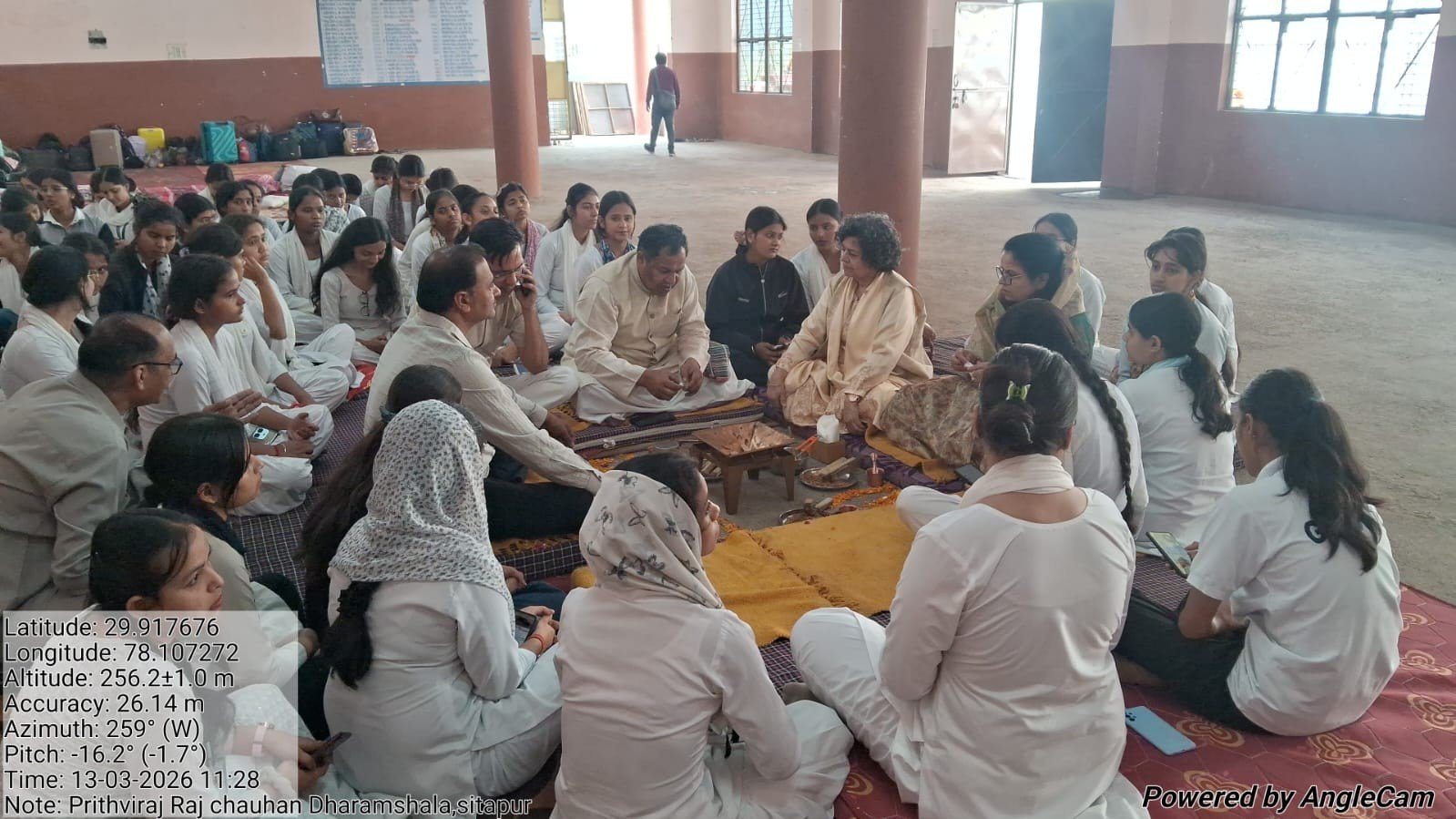
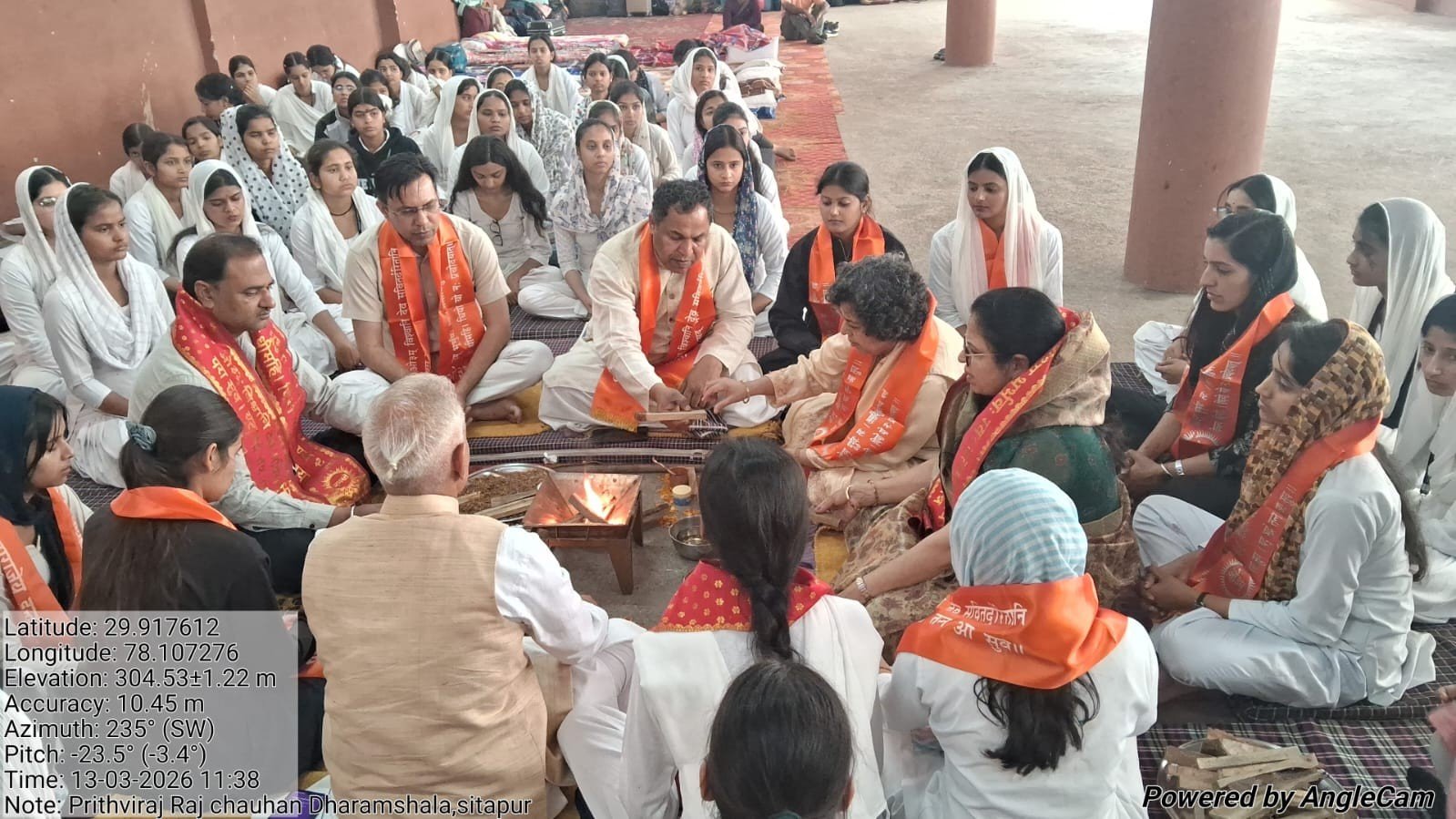
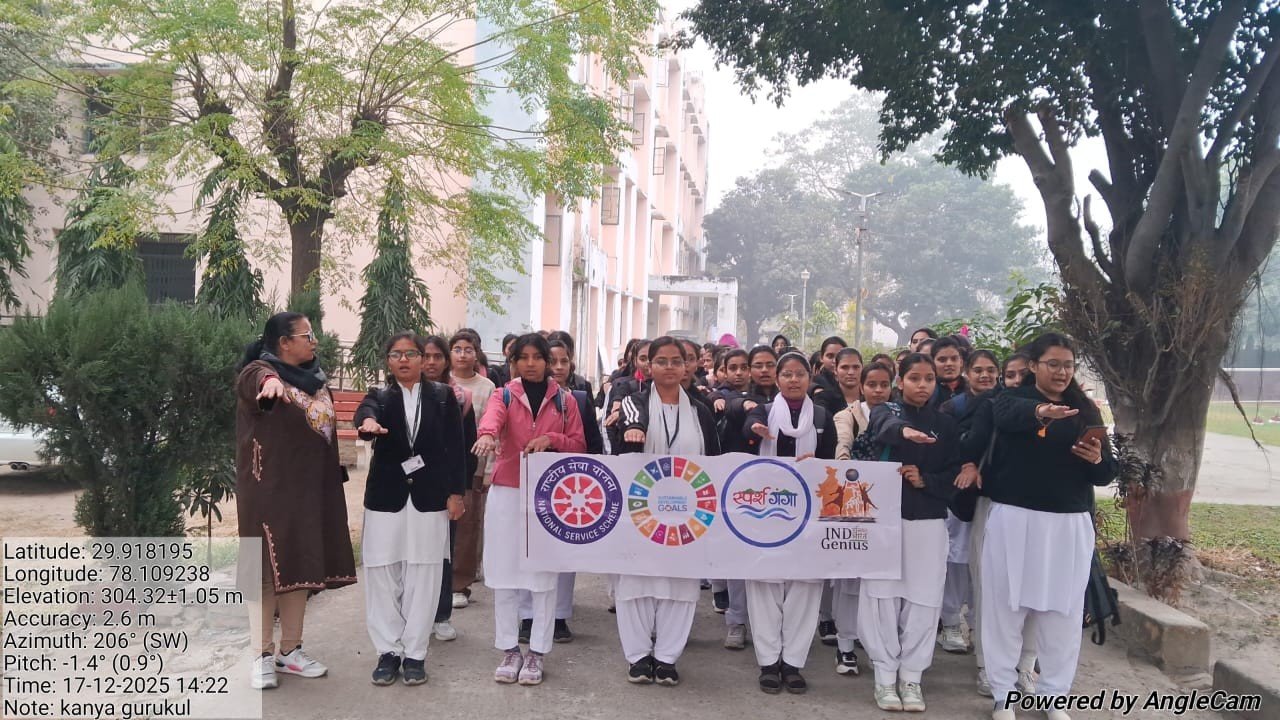
The Ministry of Youth Affairs and Sports, Government of India, had instituted the National Service Scheme Awards to recognise the voluntary service rendered by NSS volunteers, Programme Officers, N.S.S. units and the university/senior secondary council.
These awards were instituted in the year 1993-1994. Since then, these awards are given away every year at various Levels.
NSS Coordinator (University Level)
↓
Programme Officers (Unit Level)
↓
NSS Volunteers
1. NSS Coordinator (University Level)
The NSS Coordinator is the key functionary who heads the NSS Cell at the University level and works under the guidance of the Registrar.
Major Functions:
· To guide and support NSS units in the effective implementation of NSS programmes.
. To advise on organizing special camps, training sessions, and orientation programmes.
· To monitor and evaluate the performance of NSS units.
· To ensure smooth execution of regular activities and special camping programmes.
· To coordinate between the university administration and NSS units.
2. NSS Unit (Campus Level)
The NSS Unit is the fundamental operational unit at the institutional level and serves as the primary link between the University, community, and volunteers.
· Each unit consists of 100 active NSS volunteers
· The number of units is allocated based on student strength
· It plays a crucial role in planning, organising, and executing NSS activities
3. Enrollment of NSS Volunteers
· Volunteers are enrolled from students of various academic programmes at the University and its campuses
· Students from diverse backgrounds are encouraged to participate actively in NSS activities
. Enrollment aims to develop a spirit of social service and national responsibility among youth